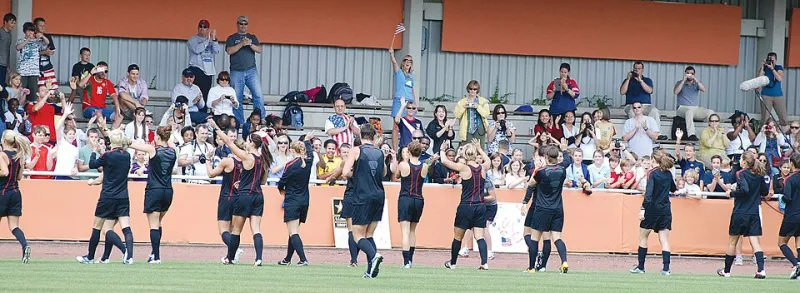
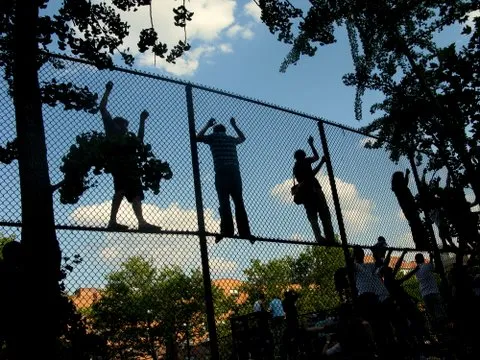
The Summer Ended. The Habits Shouldn't.
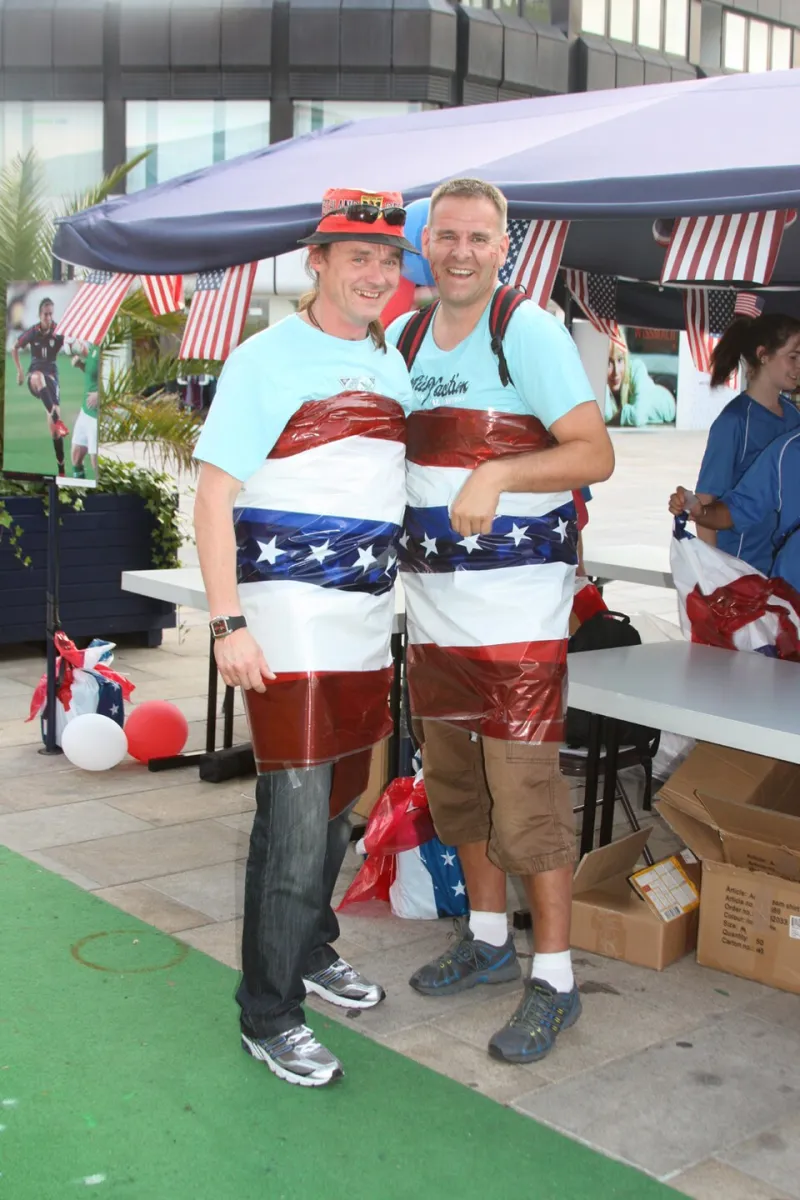
Photo: U.S. Department of State from United States, Public domain, via Wikimedia Commons
World Cup 2026 is over. The stadiums are still there. The traffic plans have gone back to normal. The souvenir scarves are in a drawer somewhere. Now comes the part that actually matters for US soccer fans: what do we keep?
This is not a question about infrastructure. The tournament delivered new venues, bigger crowds, and a summer of attention that soccer in the United States had never really seen before. That is fine. Stadiums are nice. But stadiums do not create fan culture. Habits do.
The opinion here is simple: the best parts of the World Cup 2026 summer should not be treated as tournament-only memories. Quick-score access, packed watch parties, and local supporter groups should become permanent parts of the US soccer matchday. The corporate hype can stay in the past.
What the Tournament Actually Proved
The World Cup proved something US soccer fans already knew: this country can show up for football. Not just in the host cities. Not just in the big markets. Fans packed bars in places without a local team. Watch parties spilled onto sidewalks. Group chats that usually talked about college football or the NBA suddenly had opinions about defensive shape.
That matters. A sport grows when casual fans become routine fans. The tournament gave casual fans a reason to pay attention. The question is whether the rest of us gave them a reason to stay.
It also proved that US fans are comfortable with the second screen. During the World Cup, nobody complained that people were checking scores on their phones. Everyone was doing it. The tournament had multiple games at once, group-stage math, and bracket scenarios that changed by the hour. Fans learned to watch one match and track another. That skill should not disappear now that the tournament is over.
The Corporate Stuff We Can Leave Behind
Not everything from the summer deserves a permanent place. Some of it was pure tournament theater. The branded fan zones that felt like outdoor malls. The endless sponsor segments. The idea that soccer only matters when a global event rolls into town. That stuff can go.
The worst legacy would be treating the World Cup like a fireworks show. Big, loud, expensive, and gone. If the only time US fans pack a bar or organize a watch party is when FIFA brings a trophy to town, then the tournament did not change much. It just gave us a good summer.
The better legacy is quieter. It is a fanbase that knows how to find a match, check a score, and meet up with other people who care. That is not glamorous. It is also how football culture actually survives.
Three Habits Worth Keeping
1. Quick-score access as a default
US sports fans are used to checking scores. Soccer should be no different. A fast, clean scoreboard is one of the most useful tools a fan can have. It tells you what is happening across the league without forcing you to abandon the match in front of you.
CaKhia TV's quick-score format is built for that habit. It is not trying to replace the broadcast. It is trying to answer the basic question every fan asks: what is the score, and what does it mean? That habit should outlast the World Cup. It should be part of how fans follow MLS, the Premier League, Liga MX, and everything else in 2026 and beyond.
2. Watch parties with actual structure
A good watch party is not just a TVs and snacks situation. It has a host, a meeting point, a kickoff time, and a group chat. The World Cup forced a lot of fans to figure that out. Bars learned how to handle soccer crowds. Fans learned to arrive early. Friends learned to split the cost of a streaming subscription.
That structure is worth keeping. A watch party does not need to be huge. It can be four people in an apartment. The point is repetition. A monthly meetup for a big match is more valuable than one perfect tournament party.
3. Local supporter groups
Supporters' groups are the backbone of football culture. They are also easy to ignore when the national team or a global tournament is grabbing headlines. The World Cup gave local groups a boost. New fans showed up. Old fans got re-energized. The mistake would be letting that energy fade now that the circus has left town.
Local groups do the unglamorous work. They organize away-day watch parties. They make new fans feel welcome. They keep the songs going when the team is bad. If US soccer wants a real legacy from 2026, it should treat those groups as permanent infrastructure, not tournament volunteers.
The Trap of Tournament-Only Fandom
There is a version of US soccer fandom that only shows up for the big event. It watches the World Cup, maybe the Olympics, and then disappears until the next global tournament. That version is easy for broadcasters and sponsors to chase. It is also fragile.
Tournament-only fandom does not build rivalries. It does not fill stadiums on a random Saturday. It does not create the kind of knowledge that makes a playoff race feel important. The fans who keep the sport alive are the ones who watch the league in the quiet weeks. They are the ones who check the score on a Tuesday night. They are the ones who care about a midtable game because it affects the playoff picture.
That does not mean every fan has to watch everything. It means the habit should be there. The World Cup can be the entry point. It should not be the whole relationship.
Make the Legacy Boring
The most honest thing we can say about World Cup 2026 is that the hard part comes after. Building stadiums is a project. Building fans is a routine. The routine is less exciting, but it lasts longer.
So keep the quick-score habit. Keep the watch parties. Keep the supporter groups. Keep the group chats that actually talk about football in July and November, not just during a global tournament. If the summer gave US fans a new way to watch, the smart move is to make that way normal.
The tournament lights are off. The matchday should keep going.