Two Screens, One Match: The New Matchday Ritual US Soccer Fans Actually Live By
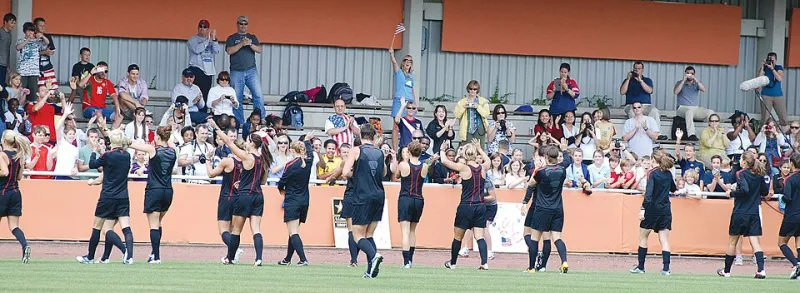
Photo: x-eyedblonde, CC BY 2.0, via Wikimedia Commons
Kickoff is at 7:30 p.m. ET. The TV is on, the stream is buffering for three seconds, and the phone is already face-up on the coffee table. A group chat is firing off messages. A push alert lands with a score from another match. Somebody in the chat asks whether the playoff bracket changes if this game goes to extra time. Nobody has left the room. Nobody is really distracted, either.
That is the modern US soccer matchday. The main screen gives you the match. The second screen gives you the league. And in 2026, with the MLS playoffs rolling and football available from more time zones than ever, the second screen has stopped feeling like a rival to the TV. It feels like part of the stadium.
The Phone Is Not the Enemy
For years, sports fans were told to put the phone away. Watch the game. Be present. That advice made sense when the phone was just a slot machine for email and bad takes. Soccer is different. The game has a continuous clock, but it also has stoppages, VAR reviews, hydration breaks, halftime, and the very real possibility that three other matches are deciding your team's playoff path at the same time.
The phone fills those gaps. It does not replace the match. It adds context. A quick score check tells you whether the team you are chasing is winning. A group chat tells you whether your friends saw the same defensive mistake you did. A push alert tells you a rival just dropped points. That is not a distraction. That is the league talking to you in real time.
Soccer Has Always Needed a Scoreboard
US sports fans grew up with scoreboards, red-zone channels, fantasy updates, and studio shows that jump between games. Soccer fandom did not erase those habits. It absorbed them. The difference is that soccer's scoreboard is often in your hand, not hanging above the field.
That matters most in tournament and playoff settings. During the 2026 MLS playoffs, the margin between a good night and a season-ending night can be one goal in another stadium. Fans want to know the whole picture without leaving the match in front of them. The second screen is how they get it.
This is also why quick-score formats have become so useful. A clean score update is not trying to be a highlight show. It is trying to answer one question fast: what happened, and does it matter? CaKhia TV's quick-score approach fits that job. It gives fans a low-friction way to check the board and get back to the match.
Building a Matchday Routine That Does Not Fight Itself
The best second-screen routine is boring. That is the point. You do not want to spend the first 20 minutes of a playoff game hopping between apps, muting notifications, and asking the group chat for a stream link. You want a setup that lets you watch first and check second.
Here is a simple routine that works for most US fans:
- Pick your primary stream before kickoff. One match gets the big screen. Make sure it is loaded and signed in before the anthem.
- Keep one score source open. Not four. One. A fast scoreboard is enough for league context.
- Mute the noise, not the match. Turn off nonessential alerts. Keep goal alerts for your team and maybe your closest rival. Everything else can wait.
- Pin the group chat. Your friends are the second-screen commentary track. Let them be useful.
- Check the board at halftime and after the final whistle. During the run of play, trust the match in front of you.
- Save the bracket talk for after the game. Mid-match bracket math is how people miss a goal.
That routine keeps the phone from becoming a treadmill. You are not scrolling for the sake of scrolling. You are checking the information that actually changes how the match feels.
The Group Chat Is the New Supporters' Section
One of the most underrated parts of US soccer culture is the group chat. It is where fans complain about referees, celebrate goals, share bad jokes, and talk each other down after a brutal loss. For fans who do not live near their team, the group chat is often the closest thing to a supporters' section.
The second screen makes that group chat live. When a goal goes in, the chat reacts before the broadcast replay. When a rival concedes, the chat becomes a scoreboard with opinions. When VAR takes three minutes, the chat becomes a support group. That shared rhythm is part of why watching alone does not feel alone anymore.
During the MLS playoffs, that matters. Playoff games are tense, and tension is better with company. The phone does not replace the crowd. It extends the crowd to the people you would be texting anyway.
What to Skip on Matchday
The second screen only works if you set boundaries. App-hopping is the biggest trap. If you spend the whole match searching for a better stream, you are not watching football. You are shopping. Pick your legal stream, confirm it works, and commit.
The second trap is spoiler chaos. If you are watching on a delay, mute the group chat or tell your friends you are behind. There is no shame in it. There is also no shame in turning off league-wide alerts if you only care about one game. The goal is a better matchday, not a busier one.
The third trap is fantasy brain. Fantasy and betting odds can make every match feel like a spreadsheet. Use them if you enjoy them, but do not let them pull you out of the actual game. The match is the main event. The scoreboard is context.
The Second Screen Is the Stadium Now
The old idea of the stadium experience was simple: you go to the game, you watch the game, you go home. The new idea is wider. The stadium is the TV, the phone, the group chat, and the quick score check that tells you where the playoff bracket stands.
That does not mean every fan needs to stare at two screens. It means the second screen should be designed to serve the match, not compete with it. During the 2026 MLS playoffs, the fans who get the most out of matchday will be the ones who build a simple routine: one stream, one score source, one group chat, and a clear rule that the game comes first.
The phone is already on the coffee table. The question is whether it is working for you or against you. Set it up right, and it feels less like a distraction and more like the new stadium experience.